


Collisions with animals, especially kangaroos, are a significant concern for drivers across Australia. AAMI reveals that around half of Aussies have collided with a ‘roo’ or other wildlife while driving. Alarmingly in the same report, 1 in 7 drivers admits to being unsure of how to handle a collision with wildlife, highlighting the need for better awareness and preparation.
This guide will explore the best ways to stay safe and avoid animal collisions, focusing on key times and hotspots, and offering practical tips on what to do if you encounter wildlife on the road.
Understanding the Risks: Why Animal Collisions Are a Concern in Australia
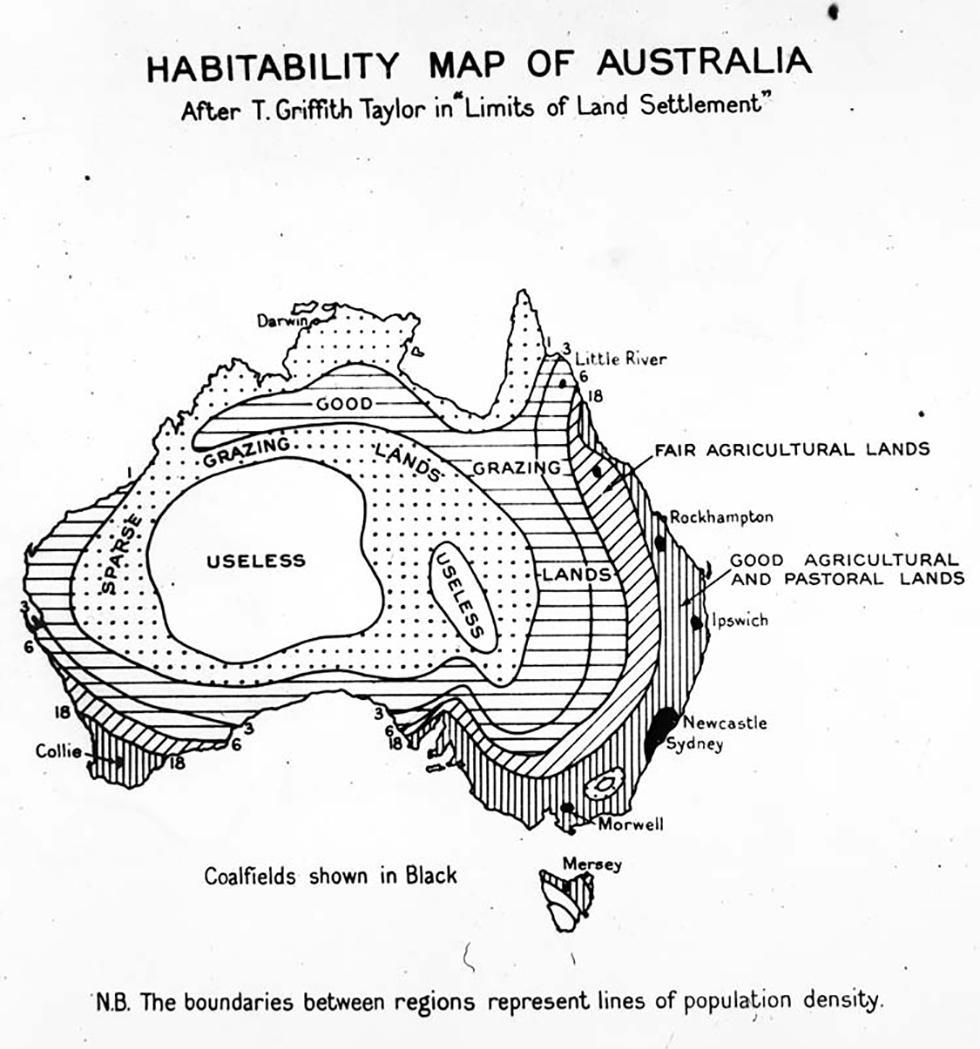
Image from The National Archives of Australia
As you can see from the figure above, Australia is home to a rich variety of wildlife, and unfortunately, this includes animals that frequently end up on our roads. Despite Australia covering a vast 7.692 million square kilometres, the majority of the land is either wildlife habitat or largely uninhabitable. In fact, 90% of Australians live within just 50 kilometres of the coast, leaving vast rural and regional areas teeming with wildlife.
In 2023, there were an estimated 42 million kangaroos across the country, compared to just 27 million Australians. This staggering contrast highlights why encounters with wildlife are so common, especially in rural and regional areas.
With all of these in mind, it’s essential to stay mindful that we’re just visitors in wildlife habitats. While the thrill of speeding can be tempting, slowing down and staying alert helps protect both animals and humans.
How Many Kangaroos Get Hit By Cars Each Year?
Kangaroos are by far the most frequent animals involved in road collisions across Australia. According to an AAMI collision report, a staggering 7,992 kangaroo collision claims were recorded between March 2018 and February 2019, accounting for 83% of all animal collision claims during that period.
Wallabies, coming in second, were involved in 392 recorded collisions. These numbers highlight just how common and dangerous encounters with kangaroos on the road can be, especially in rural and high-risk areas.
In fact, with the problem persisting for years, Volvo had to conduct its first kangaroo safety tests back in 2015 to address the risks associated with these collisions.
Identifying the Worst Times for Kangaroos on Roads
Kangaroo collisions are not only common, but they also tend to spike during certain times of the year and day. Winter months, from June to August, see the highest incidence of animal collisions, with nearly 30% of accidents occurring during this period.
Dusk is particularly hazardous for drivers, with over 26% of wildlife-related accidents happening between 4:30 pm and 8:00 pm, when visibility is lower and animals are more active. These factors make it crucial for drivers to stay alert, especially during these peak times.
While these statistics can help identify higher-risk times, it's important to note that they are based on recent data. Collisions can happen at any time, so staying vigilant on the roads, no matter the time of day or season, is always essential.
Top Hotspots for Animal Collisions For Each Australian State

Infographic from Wires.org.au
Certain areas in Australia are more prone to animal collisions due to the prevalence of wildlife and the nature of the roads. Knowing where these hotspots are can help you take extra precautions.
State |
State Hotspots |
State |
State Hotspots |
|
|
1. Victoria |
Heathcote is identified as the most dangerous spot nationally. |
5. Tasmania |
Kingston |
|
|
2. New South Wales |
Dubbo |
6. South Australia |
Port Augusta |
|
|
3. Queensland |
St George |
7. Australian Capital Territory |
Canberra |
|
|
4. Western Australia |
Baldivis |
8. Northern Territory |
Katherine |
What to Do If a Kangaroo Jumps in Front of Your Car
Even with the best precautions, you might still encounter a kangaroo or other wildlife suddenly appearing on the road. In those split seconds, there’s only so much you can do.
Here’s what you should keep in mind to avoid or minimise the fatality of the collision for both the animal and the people inside the vehicle:
Brake in a Straight Line
If a kangaroo suddenly appears in front of your car, stay calm and try to brake firmly but smoothly and keep the car as straight as possible.
Swerving to avoid an animal can lead to more dangerous situations, including losing control of your vehicle or hitting another vehicle or object. If a collision is unavoidable, aim to minimise the impact by braking hard and steering straight.
Use Your Horn
This is not a priority nor is it recommended, braking is much more important, but in some cases, using your horn can help scare the animal away from the road. However, this might not always be effective, especially if the animal is already in a state of panic.
Again, there’s only so much you can do when the actual situation happens. Don’t use this as some sort of standard or step-by-step action to counter the collision because you won’t be able to do everything in such short seconds. Just be instinctive enough to minimise the damages or to reduce the risk of serious injury to the animal, yourself, and your passengers.
What makes a big difference is slowing down in the first place and reviewing all the hotspots and common time for the animals. Driving at a manageable speed gives you more reaction time to respond appropriately.
If a collision does happen, the next important step is understanding what to do during and after the incident.
What to Do During an Animal Collision
1. Pull Over Safely
Assess your surroundings and pull over to the side of the road when it's safe to do so and turn on the hazard lights. Avoid stopping abruptly in dangerous areas, such as on curves or near oncoming traffic.
2. Contact Local Wildlife Rescue
If possible and safe, check on the animal involved in the collision. In some cases, the animal may still be alive and injured. However, avoid approaching a wounded animal, as it could be frightened or aggressive. Contact local wildlife services or the police for assistance.
Here’s Australia's National Wildlife Rescue hotline: 1300 596 457
3. Check the Pouch
If in an unfortunate case where the kangaroo did not survive, be sure to check the pouch or surrounding area for any joeys that may have been thrown during the impact. If the joey is still in the pouch and attached to the mother’s teat, do not attempt to remove it. Wait for a wildlife rescue service to arrive. If the joey is not attached, gently place it in a warm, quiet space, such as a towel-lined box, until rescue help arrives.
5. Seek Help if Necessary
If your vehicle is too damaged to continue driving or you feel unsafe, call for assistance immediately. Services like roadside assistance or towing can help you get your car off the road, and emergency services can attend to the situation if required.
Knowing what to do during an animal collision can help you stay calm and handle the situation safely. While it’s an unfortunate event, taking these steps ensures you protect yourself, others on the road, and the wildlife involved.
Additional Safety Measures and Vehicle Upgrades
There are several additional measures and upgrades you can consider to enhance safety and reduce the risk of animal collisions fatalities.
1. Bull Bars and Vehicle Protection
Installing ADR-approved bull bars can provide additional protection for your vehicle in the event of a collision with wildlife. These bars help absorb impact and can prevent significant damage to your car.
Browse our complete 4x4 protection accessories for maximum vehicle protection.
2. Driving Lights
Upgrading with high-quality 4x4 lights, such as light bars and spotlights, can improve visibility during dawn and dusk, making it easier to spot animals on the road from a distance.
3. UHF CB Radios
Installing UHF CB radios can be an invaluable tool when driving through remote areas. Not only does it help you stay in touch with other drivers, but it can also provide early warnings about potential wildlife hazards ahead. You can communicate with nearby vehicles and relay sightings of animals on the road to other drivers, helping everyone stay safer.
4. Dash Cams
While not exactly a safety measure, dash cams can be a useful tool for recording incidents involving animals. In the unfortunate event of a collision, a dash cam can provide proof for insurance purposes and help validate your account of the accident, ensuring the process goes smoothly.
Does Insurance Cover for Animal Collisions?
Fortunately, hitting an animal with your vehicle is typically not considered an at-fault accident by most insurance companies. While you won’t be held personally liable, it’s important to be aware that your premiums may still rise. Since insurers can’t recover costs from another driver in these cases, they may pass the financial impact onto you by increasing future premiums. However, this would only apply under normal circumstances—if you're driving responsibly. If intoxication or reckless driving is involved, your insurance could be void.
1. Comprehensive Car Insurance
If you're driving in areas known for animal activity, it’s worth considering comprehensive car insurance. Unlike third-party insurance, which only covers damages to other vehicles or property, comprehensive policies typically cover damages to your own vehicle caused by animal collisions. Whether it’s a kangaroo, wombat, or other wildlife, comprehensive coverage will ensure you’re financially protected in case of repairs or even replacement.
2. Excess Fees
It’s important to note that while your insurance may cover damages, you’ll likely still have to pay an excess. Depending on your policy, this could vary significantly, so it’s worth reviewing the details to understand what your contribution would be.
3. No-Claim Bonus
Many insurers offer a no-claim bonus, but making a claim for an animal collision could impact this. Some policies may have special provisions that allow you to retain your no-claim bonus after an animal collision, so be sure to clarify with your provider.
4. Reporting the Incident
In the event of a collision, contact your insurer as soon as possible to report the damage. Take photos of the scene, if safe to do so, and gather any necessary information for your claim. Most insurers require prompt notification, so don’t delay.
Navigate Australian Roads with Confidence with 4wheelhouse
Driving in Australia offers incredible landscapes and adventures, but it’s essential to stay aware of the risks associated with wildlife collisions. By understanding the worst times for kangaroos on roads, recognising top hotspots for animal collisions, and knowing what to do if a kangaroo jumps in front of your car, you can significantly reduce the risk of accidents.
At 4wheelhouse, your trusted four-wheel drive online shop, we offer a range of products designed to enhance your vehicle’s safety and performance, including bull bars, driving lights, and other accessories. Browse our selection to find the perfect upgrades for your driving needs, and stay safe on your Australian adventures.