


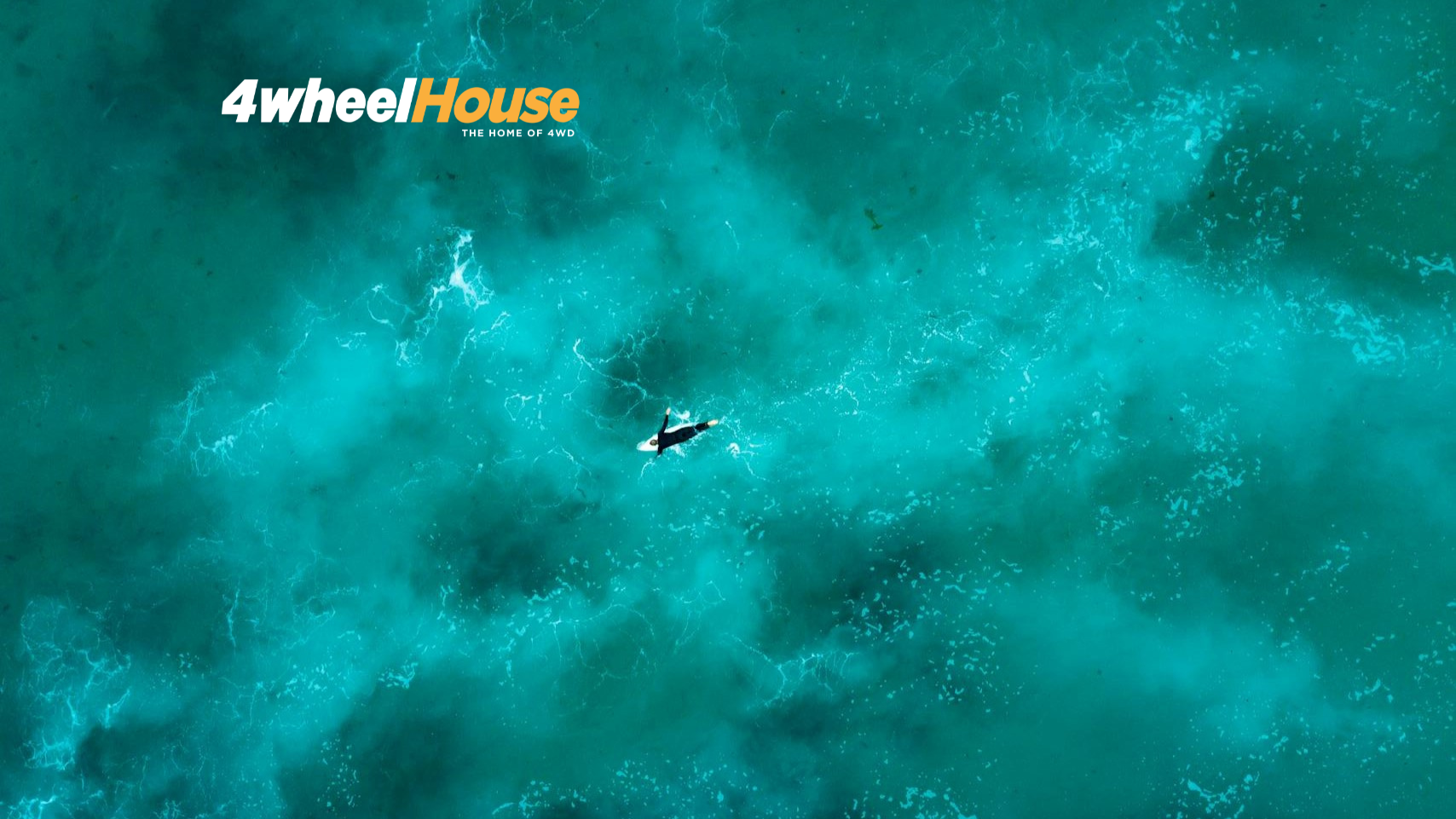
Australia’s coastal waters are teeming with marine life, from sea turtles to stingrays, and even sharks. While shark attacks are rare, they do happen, and it’s important to stay aware, especially in known shark habitats. Recently, a day at Bribie Island took a frightening turn for a 17-year-old girl after she was caught in a devastating shark attack on Monday, Feb. 3, 2025. Tragic incidents like this are a reminder to take precautions—avoid swimming at dawn or dusk, stay out of murky water, and never swim near fishing areas where baitfish gather.
Beyond sharks, always be mindful of nesting sea turtles, avoid disturbing stingrays hidden in the shallows, and never leave fishing lines or rubbish behind.
How Common Are Shark Attacks in Australian Beaches?
While many beachgoers worry about sharks, the risk of an attack is relatively low. According to the Australian Shark Incident Database, Australia records an average of 20 shark incidents per year, with 2.8 fatalities annually. The vast majority of bites are attributed to White Sharks, Bull Sharks, and Tiger Sharks, which are known to frequent coastal waters. However, compared to other risks at the beach—such as drowning, which claimed 125 lives in 2023—shark attacks remain rare.
For a deeper look into shark incidents and safety data, check out the Australian Shark Incident Database.
General Beach Safety
- Know How to Spot a Rip Current
Rip currents are one of the biggest dangers at Australian beaches. They can look calm on the surface but will pull you out to sea faster than you realise. Look for these signs before jumping in for a swim:
- Deeper, darker patches of water
- A noticeable difference in wave patterns
- Foam or debris moving steadily out to sea
If you do get caught in one, don’t panic—swim parallel to the shore to escape the current, then head back in at an angle.
- Keep an Eye on the Tides
Always check tide charts before heading out, as high tide can cut off access points, trap vehicles, and make certain stretches of beach undrivable. The best time to drive is during low tide when the sand is firmer and easier to navigate.
- Respect Marine Life
Australia’s coastal waters are teeming with marine life, from sea turtles to stingrays. Avoid disturbing nesting areas, steer clear of shallow water crossings that could harm wildlife, and never leave fishing lines or rubbish behind.
4WD-Specific Coastal Safety Tips
Once you’ve got the general beach safety covered, it’s time to focus on keeping yourself, your vehicle, and the environment protected while driving along the beaches in Australia.
- Stick to Designated Tracks
Most beaches that allow 4WD access will have marked entry points and designated driving areas. Stick to them—this keeps the dunes intact and prevents unnecessary damage to fragile ecosystems. Plus, avoiding restricted areas helps ensure that future generations of 4WDers can enjoy beach driving without extra regulations being introduced.
- Lower Your Tyre Pressure
Driving on soft sand requires a different approach to regular off-roading. Dropping your tyre pressure to around 16-22 PSI helps increase surface area, improving traction and reducing the chance of getting bogged. Just remember to reinflate your tyres before hitting sealed roads again—having a portable air compressor onboard makes this a breeze. For more detailed guidance, check out our full 4x4 beach driving tips.
- Carry Essential Safety Gear
The beach might seem like an easygoing place to drive, but things can go wrong quickly if you’re unprepared. Always pack:
- A well-stocked first-aid kit – Cuts, stings, and sunburn happen.
- A UHF radio or satellite phone – Coastal areas often have poor mobile reception, so communication gear is a must if you get stuck or need help.
- 4x4 Recovery gear – Soft sand can swallow a vehicle in no time. Recovery tracks, a snatch strap, and a shovel can save you from a long wait for a tow.
You can find quality recovery gear and communication tools at 4wheelhouse to ensure you’re fully equipped for beach driving.
- Watch Out for Other Beach Users
Beaches aren’t just for 4WDers—expect to see pedestrians, swimmers, anglers, and even kids playing in the sand. Drive at a safe speed (usually under 40km/h), stay alert, and slow down near campsites and picnic areas. Adding a sand flag to your 4WD is a great way to ensure you're visible to others, making it easier for people to spot you from a distance. It’s a simple yet effective way to reduce the risk of accidents and keep everyone safe.
- Rinse Off the Salt
Saltwater and sand can be brutal on your vehicle. After your trip, give your 4WD a thorough wash, paying extra attention to the undercarriage, chassis, and wheel wells to prevent rust and corrosion.
Stay Safe and Tread Lightly on the Sand
Driving on the beach is one of the best ways to enjoy Australia’s stunning coastline, but it comes with responsibility. By understanding general beach safety and following 4WD best practices, you can have an unforgettable trip while keeping yourself, your vehicle, and the environment safe.
Before your next coastal adventure, make sure you’re fully stocked with recovery gear, communication tools, and other essentials from 4wheelhouse—because the right gear can mean the difference between a great day out and a rescue mission.
Now, air down those tyres, respect the tides, and enjoy the ride!