


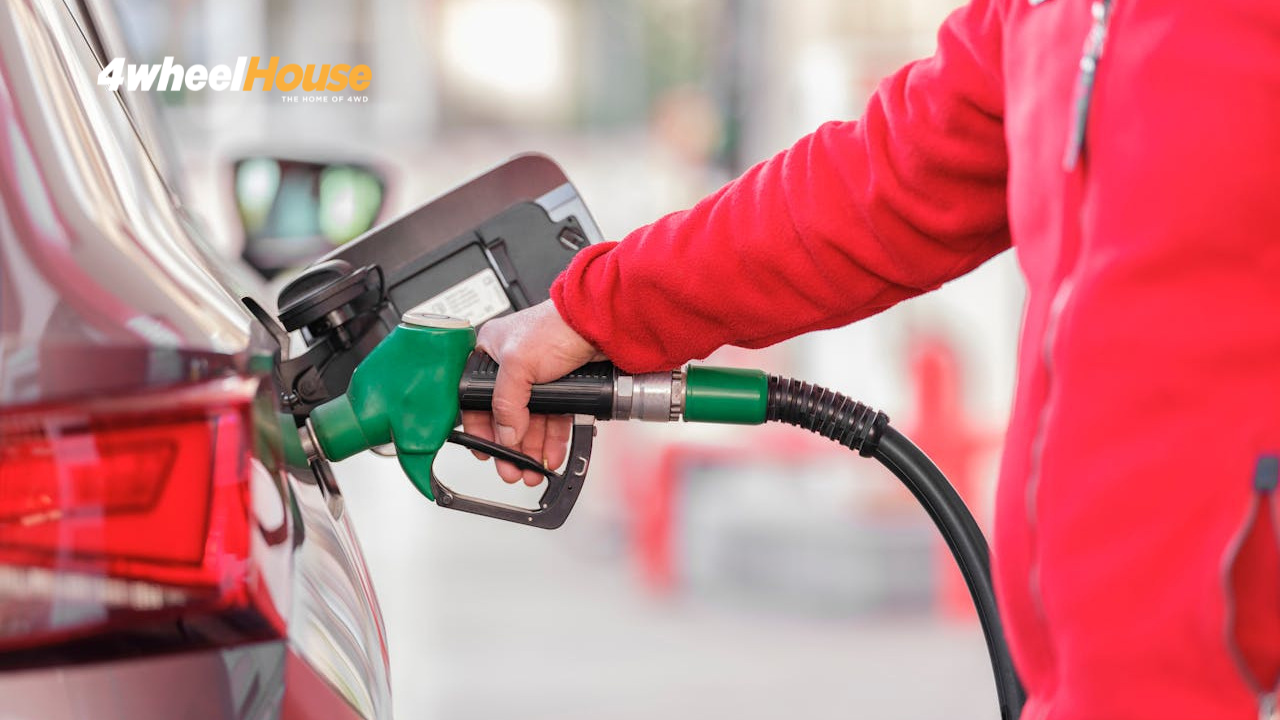
Fuel economy isn’t usually the first thing that comes to mind with a 4WD, but recent fuel price volatility has made it hard to ignore. Global pressures, including ongoing tensions in the Middle East, have contributed to rising fuel costs, and locally, drivers are feeling it at the pump.
In Australia, prices have been especially inconsistent. In cities like Melbourne, diesel has reportedly pushed past $3.00 per litre in early April 2026, with noticeable swings between suburbs. That kind of fluctuation makes fuel planning more important than ever, particularly for 4WD owners who already consume more fuel than average vehicles.
Since 4WDs are heavier and often carry additional gear, they tend to feel these price increases more. Add long touring distances into the mix, and fuel costs can quickly stack up.
The good news is you don’t need to compromise capability to improve efficiency. A few smart habits and setup choices can make a noticeable difference in how far each tank takes you.
Understand What Affects Fuel Consumption
4WDs naturally use more fuel than standard vehicles. They’re heavier, less aerodynamic, and often carry extra gear. Once you start adding accessories like bull bars, roof racks, and larger tyres, consumption can increase even further. Key factors that impact fuel use include:
-
Vehicle weight
-
Tyre size and pressure
-
Driving style
-
Terrain and load
-
Aerodynamics
Being aware of these helps you make better decisions when setting up your rig.
Watch Your Weight
It adds up quickly. Recovery gear, tools, camping equipment, and accessories can easily push your vehicle well beyond its original weight.
Try to:
-
Remove gear you don’t use regularly
-
Avoid carrying unnecessary tools or spare parts
-
Be mindful of permanent accessories that add weight
If you’ve wrapped up a touring or camping season, it’s worth reassessing your setup. Roof racks, rooftop tents, and stored camping gear often stay on longer than needed, adding both weight and aerodynamic drag. Removing them when they’re not in use can make a noticeable difference.
As a rough guide:
-
An empty roof rack can increase fuel consumption by around 2–5% due to wind resistance
-
A loaded roof rack or rooftop tent can push that to 10–20% or more, depending on speed
-
Carrying an extra 100 kg of weight can increase fuel use by roughly 1–2%, especially in stop-start driving
The heavier and less aerodynamic your 4WD is, the harder the engine works, particularly on highways and long-distance drives. Trimming down your setup when you don’t need it is one of the simplest ways to improve fuel efficiency without changing how you drive.
Bigger Tyres Come with a Trade-Off
Upgrading to larger tyres is one of the most common 4WD mods, and for good reason. They improve ground clearance, off-road grip, and overall capability. But they also have a direct impact on fuel consumption.
Larger tyres increase rolling resistance and rotational mass, which means your engine has to work harder to keep them moving. They can also alter gearing, especially if you haven’t adjusted diff ratios to suit the new size.
As a general guide:
-
Moving up one tyre size (e.g. from 31" to 33") can increase fuel consumption by around 3–5%
-
Jumping to larger setups like 35" tyres can push that to 8–15% or more, depending on driving conditions
-
Heavier all-terrain or mud-terrain tyres add extra weight compared to standard road tyres
There’s also the added drag from wider tyre profiles and more aggressive tread patterns, particularly noticeable at highway speeds.
That doesn’t mean you shouldn’t run bigger tyres. It just means understanding the trade-off. If your 4WD spends most of its time touring or on-road, a moderate size upgrade often strikes a better balance between capability and efficiency.
Drive Smoothly and Consistently
Driving style has a direct impact on fuel usage.
-
Avoid hard acceleration and sudden braking
-
Maintain a steady speed where possible
-
Use cruise control on highways when conditions allow
Smooth driving reduces engine load and helps maximise each litre of fuel.
Keep Up with Maintenance
A well-maintained 4WD doesn’t just run better, it runs more efficiently. Small issues can quietly increase fuel consumption over time, especially on long drives or when carrying extra load. Staying on top of maintenance helps your engine operate at its best.
Here’s how common maintenance items impact fuel efficiency:
| Maintenance Area | Why It Matters | Impact on Fuel Consumption |
|---|---|---|
| Engine Oil | Reduces internal friction and heat | Up to 1–2% improvement |
| Air Filter | Ensures proper airflow for combustion | 5–10% worse if clogged |
| Tyre Pressure | Minimises rolling resistance | 2–4% worse if underinflated |
| Fuel System | Maintains clean fuel delivery | Gradual increase if dirty |
Even something as simple as a clogged air filter can restrict airflow, forcing the engine to work harder and burn more fuel. Underinflated tyres create more drag on the road, while neglected oil changes can increase engine resistance.
Individually, these may seem minor, but combined, they can noticeably reduce your range. Keeping your 4WD properly maintained is one of the easiest ways to improve fuel efficiency without changing how you drive.
Choose the Right Gear for the Job
Modifications are part of 4WD ownership, but choosing the right setup matters.
-
Oversized tyres increase rolling resistance
-
Heavy steel accessories add weight
-
Poorly matched suspension setups can affect efficiency
The goal is balance. Build your vehicle for how you actually use it, not just how it looks.
Plan Your Trips Properly
Long-distance touring across Australia requires a bit of planning.
-
Map out fuel stops, especially in remote areas
-
Avoid unnecessary detours
-
Keep track of fuel usage over time
Knowing your vehicle’s range helps prevent overloading or carrying excessive spare fuel.
Small Changes, Big Difference
Improving fuel efficiency in a 4WD isn’t about one big change. It’s a combination of small adjustments that add up over time.
A lighter setup, better driving habits, and regular maintenance can noticeably extend your range, especially on long trips.
Get the Most Out of Your 4WD
Fuel efficiency doesn’t mean giving up capability. It’s about making smarter choices with how you drive and how your vehicle is set up.
At 4wheelhouse, we help drivers find the right balance between performance and practicality. As a trusted four-wheel drive parts store, we offer parts and accessories that support real-world driving, whether you’re touring long distances or heading off-road for the weekend.